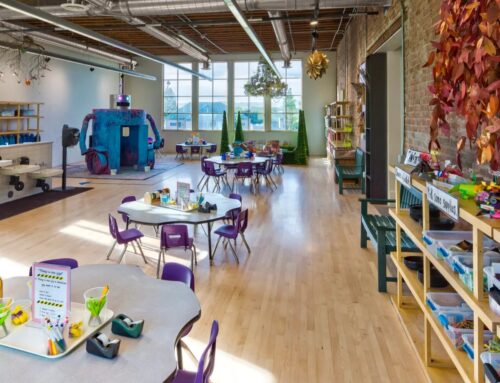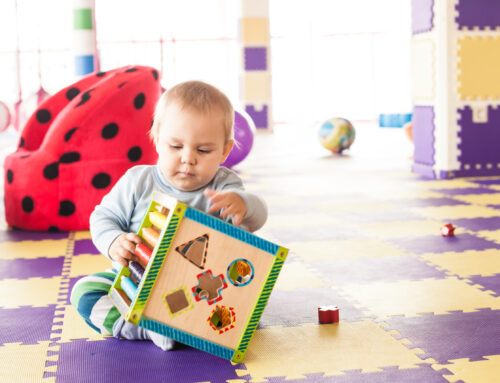

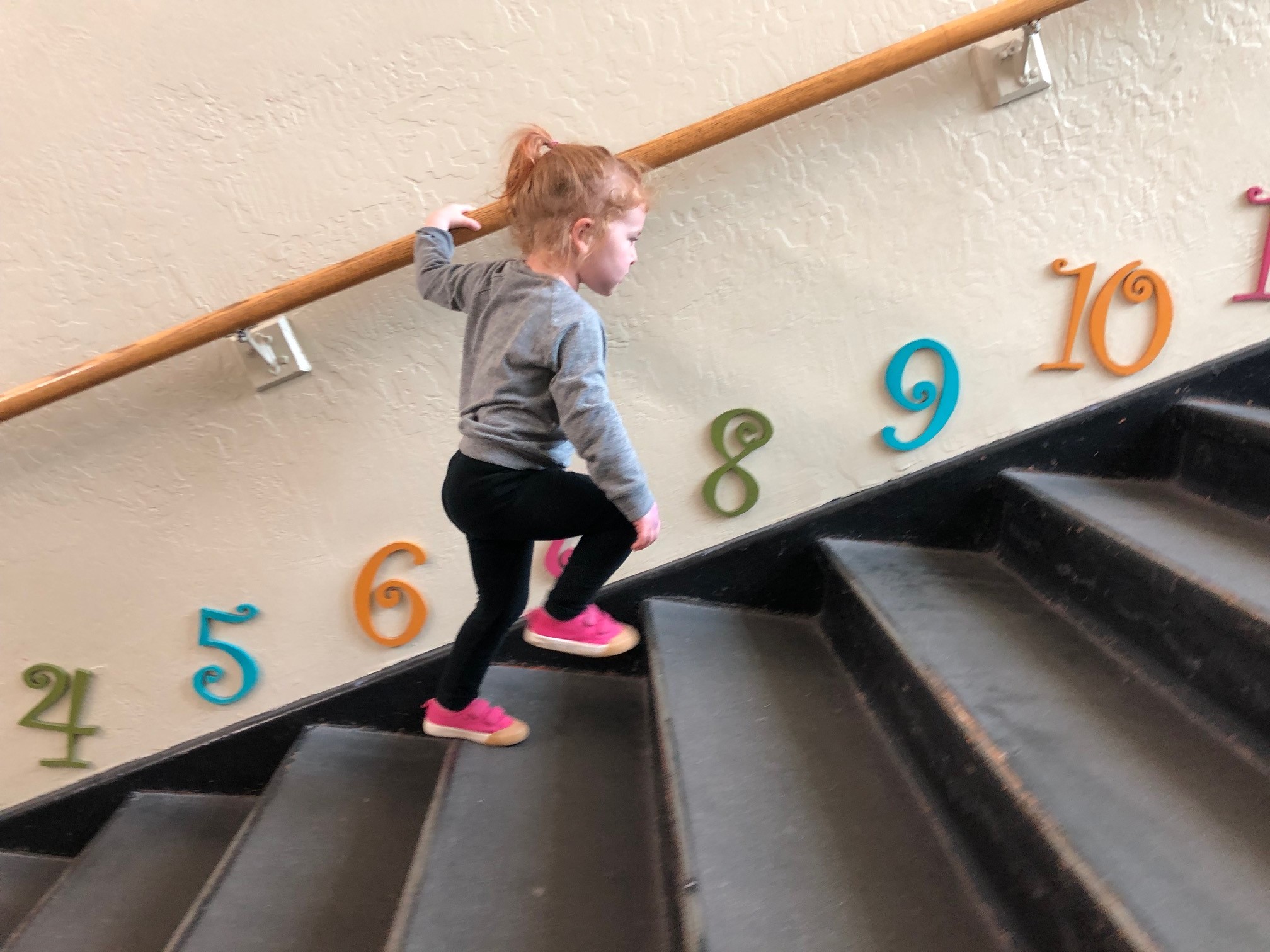
Children’s museums are more than just places to play; they’re vibrant learning environments where curiosity sparks discovery. By blending interactive exhibits with hands-on experiences, these museums transform fun into meaningful education. In fact, according to the American Alliance of Museums, museums spend over $2 billion each year on education activities! With carefully designed exhibits, children can engage their senses, explore at their own pace, and develop confidence as they navigate new experiences, making every visit both entertaining and educational.
Creating Hands-On Learning Experiences
Hands-on exhibits at a children’s museum allow children to explore concepts actively rather than passively. Activities like building structures with blocks, experimenting with water flow, or conducting simple science experiments help reinforce understanding through doing. These experiences encourage children to ask questions, make predictions, and test solutions in real time, which strengthens their problem-solving skills and cognitive development.
By physically interacting with materials, children engage multiple senses, enhancing memory retention and comprehension. These interactive experiences foster curiosity, perseverance, and confidence, encouraging children to explore new ideas independently. Hands-on learning ensures that educational concepts are absorbed in a fun, engaging way that sticks long after the visit.
Encouraging Creativity and Imagination
A children’s museum provides open-ended activities designed to stimulate imagination. Art studios, role-playing areas, and storytelling corners allow children to create, perform, and explore freely. These activities help them think outside the box, test new ideas, and express emotions in a safe environment, fostering self-expression and confidence.
Through creative play, children learn to experiment, collaborate, and innovate. Imaginative activities develop critical thinking skills as children explore different scenarios and outcomes. Museums offer a space where children’s ideas are celebrated, helping them gain independence, resilience, and a love for exploration that carries over into academic and personal growth.
Fostering STEM Exploration
Science, technology, engineering, and math (STEM) exhibits at a children’s museum make complex topics fun and accessible. Interactive experiments, robotics stations, and engineering challenges introduce children to scientific thinking and problem-solving in an engaging way. Hands-on STEM activities allow them to see concepts in action and make learning dynamic rather than abstract.
Exploring STEM in a museum setting builds confidence and curiosity. Children can experiment, make mistakes, and learn from them without pressure. Early exposure to STEM subjects encourages analytical thinking, sparks interest in future careers, and helps children develop essential skills like logic, observation, and creativity while enjoying the thrill of discovery.
Promoting Social and Emotional Growth
A children’s museum supports social development through collaborative play and interactive exhibits. Group activities, role-playing stations, and cooperative challenges teach children empathy, communication, and teamwork. By interacting with peers in a playful setting, they learn how to share, negotiate, and resolve conflicts constructively, building emotional intelligence.
These experiences also help children understand feelings, practice leadership, and navigate social situations. Social and emotional growth is crucial for forming friendships, developing self-awareness, and managing challenges both inside and outside the classroom. Museums provide a supportive environment where children can practice these skills safely and naturally.
Connecting Play With Real-World Knowledge
Museum exhibits often tie play to real-life concepts. Simulations of grocery stores, transportation systems, or cultural festivals teach children practical skills and expose them to different perspectives. This approach helps them understand everyday life and global connections while having fun, making learning meaningful and relevant.
By linking play with real-world applications, children develop critical thinking, decision-making skills, and curiosity about the world around them. This contextual learning reinforces knowledge retention and encourages children to apply lessons learned in school, at home, and in social settings, bridging the gap between fun and education effectively.
Inspiring Lifelong Curiosity
A children’s museum fosters a love of learning that extends beyond a single visit. Exhibits designed to spark questions and independent exploration encourage children to follow their interests, try new activities, and seek knowledge at their own pace. This self-directed learning builds confidence and resilience while making education enjoyable.
When children are empowered to explore curiosity freely, they develop intrinsic motivation for learning. Museums create an environment where discovery is exciting and ongoing, inspiring lifelong habits of inquiry, experimentation, and creativity. Early engagement in curiosity-driven learning sets the foundation for success in school, hobbies, and future careers.
Every visit to a children’s museum inspires curiosity and builds essential skills for academic, social, and personal growth. Bring your child to the Children’s Museum of Phoenix to spark wonder, nurture curiosity, and make learning an unforgettable adventure. Check out our upcoming schedule and purchase tickets for your family today!