

The world of children’s museums offers a unique blend of learning and play, fostering creativity and curiosity in young minds. These institutions provide an interactive experience that goes beyond the conventional boundaries of classrooms. Such environments play a critical role in aiding cognitive development, social interaction, and cultural awareness. As places that combine fun with education, they hold immense potential to impact familial bonds and individual growth. Whether you are a parent, educator, or just a kid at heart, these spaces offer experiences that are both fun and educational. Within these vibrant halls, visitors find a sanctuary where imagination takes flight and complex concepts become accessible through play. Exploring the various wings of children’s museums allows families to engage in meaningful discovery together. Here, we highlight the top must-try experiences that make a visit to any children’s museum a memorable adventure for the entire family.
Engaging With Interactive Science Programs
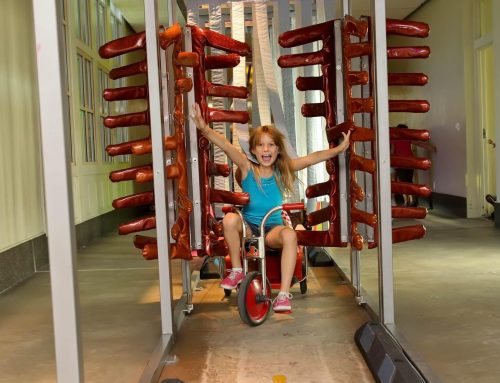
Interactive science programs engage children in learning through direct participation in experiments and activities. These hands-on opportunities allow young learners to explore scientific concepts while having fun. By conducting their own experiments, children grasp difficult concepts more easily and develop a lifelong love for discovery. This approach transforms passive learning into an active pursuit, encouraging children to question and think critically.
Furthermore, these experiences help foster analytical skills and curiosity about the natural world. Physics demonstrations are also captivating ways to make complex concepts accessible. These interactive sessions demystify topics like force, motion, and energy in ways that are engaging and memorable. Through visual and participatory demonstrations, children gain a deeper understanding of the principles that govern the world. These sessions often feature exciting elements that captivate young audiences and help children develop critical thinking abilities.
Hands-on building and exploration activities further enhance these programs by allowing children to experiment with materials, test ideas, and discover how things work in real time. These experiences encourage problem-solving and creativity while reinforcing foundational STEM concepts in an approachable and exciting way.
Exploring The Creative Art Zones
In creative art zones, children express themselves through a variety of artistic media in engaging, hands-on workshops. These guided sessions introduce young participants to everything from painting and sculpture to textiles and printmaking. By engaging in these activities, children build fine motor skills and enjoy the therapeutic benefits of creativity.
Art workshops also provide opportunities for children to learn about artistic techniques and materials, fostering a deeper appreciation for the arts. These experiences help cultivate a sense of accomplishment as young artists see their ideas brought to life.
Art projects that encourage collaboration teach children essential social skills such as communication, teamwork, and empathy. Working together on large murals or shared creative pieces, children learn to appreciate diverse perspectives and how to compromise. Beyond building social skills, collaborative art endeavors help foster a sense of belonging as participants become part of a shared creative experience.
These projects often culminate in displays or showcases, celebrating the collective efforts of the young artists involved. This feeling of accomplishment and the social connections formed during the process enrich each experience at children’s museums. Many activities are also inspired by cultural themes, helping children explore traditions, stories, and artistic styles from around the world. Understanding and appreciating cultural diversity fosters open-mindedness and a broader perspective, making museums essential community spaces that bring people together through creativity.
Celebrating Cultural Diversity Through Hands-On Experiences
Children’s museums play an important role in introducing young visitors to the richness of cultures from around the world. Through hands-on programming and themed activities, children can explore traditions, customs, and artistic expressions in meaningful and engaging ways. These experiences are designed to be interactive and accessible, helping children connect with new ideas through play.
Cultural programs often include storytelling, music, art, and movement, allowing children to experience different perspectives while participating in creative activities. By engaging directly with these elements, children gain a deeper understanding of the values and traditions that shape communities. These opportunities encourage curiosity and respect for others, laying the foundation for empathy and inclusion.
Seasonal events and rotating themes further enrich these experiences by highlighting a variety of cultural celebrations throughout the year. Whether learning about global holidays or participating in hands-on crafts inspired by different regions, children are exposed to a wide range of traditions in a fun and memorable way.
According to the American Alliance of Museums, these institutions contribute approximately $50 billion annually to the U.S. economy, underscoring their importance as both educational and cultural resources. More importantly, children’s museums help foster a sense of connection and belonging by celebrating diversity and encouraging children to see the world through multiple lenses.
Children’s museums are a treasure trove of learning, creativity, and joy. The interactive science programs, creative art zones, and culturally enriching experiences explored here are just a few examples of the extraordinary opportunities available. These offerings are a testament to the endless possibilities for exploration and education within these walls. By fostering critical thinking and imagination, these hands-on, engaging activities lay the groundwork for lifelong curiosity and learning.
Museums, with their innovative approaches and diverse programming, remain crucial in nurturing informed and empathetic future generations. The impact of children’s museums extends far beyond the visit, shaping the way children view the world around them. As these institutions continue to evolve, they provide even more ways for families to connect and grow through shared discovery. For those looking to ignite a spark of wonder in a child’s life, there is no better place to start than at the Children’s Museum of Phoenix.