
Capturing the essence of creativity and wonder within a children’s museum requires more than just a camera; it demands a blend of technical skill and an understanding of dynamic environments. These vibrant spaces are filled with learning opportunities and moments of pure joy that can pass in the blink of an eye. To document these memories effectively, photographers must navigate intricacies ranging from fluctuating lighting to bustling crowds when taking childrens museum photos. Whether you are utilizing a high-end DSLR or a modern smartphone, understanding the unique landscape of these educational hubs will help you produce images that truly resonate. By focusing on the intersection of light, subject, and timing, you can transform a simple outing into a stunning visual narrative that preserves the magic of childhood discovery for years to come.
Assessing Indoor Lighting Environments
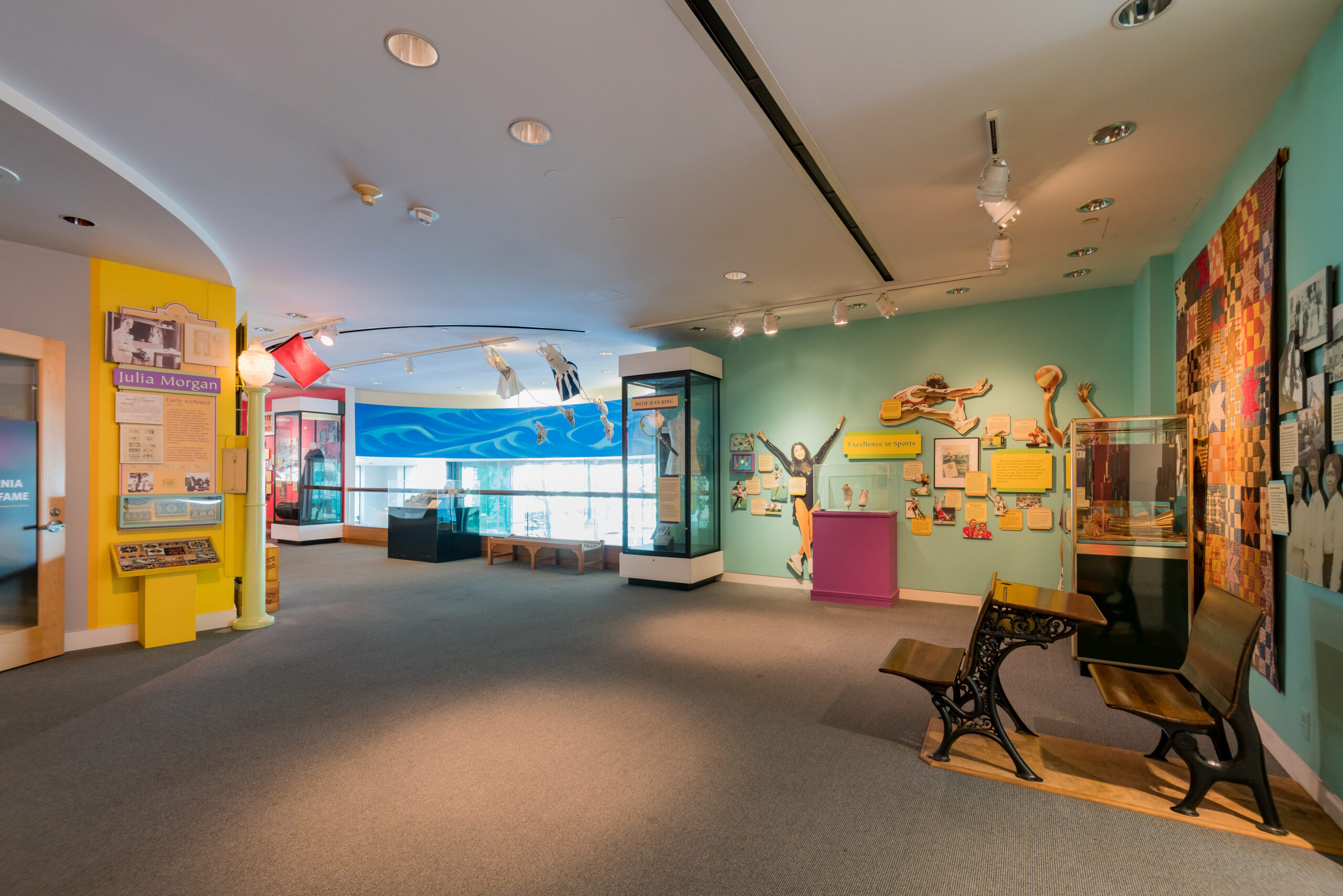
Lighting is the most fundamental element of photography, yet it often presents the greatest challenge in indoor museum settings. Exhibits are frequently designed with vibrant colors and varied artificial sources that can create harsh shadows or unexpected glares. To manage these conditions, it is helpful to experiment with different angles to see how light interacts with specific displays. Adjusting your camera settings, such as ISO and aperture, allows you to compensate for lower light levels without losing the fine details of the scene. For those using mobile devices, utilizing manual exposure controls can prevent the camera from over-correcting and washing out the subject. Mastering these environmental factors ensures that every frame feels authentic to the experience while maintaining high image quality when it comes to childrens museum photos.
Identifying Standout Museum Exhibits
Each facility features unique displays that naturally draw children in, creating the perfect backdrop for compelling imagery. Identifying these high-energy spots is crucial for planning where to position yourself for the most impactful shots. Interactive displays are particularly valuable because they foster genuine engagement and focused expressions that tell a deep story of discovery. By familiarizing yourself with the museum layout ahead of time, you can prioritize locations that offer the best visual interest and natural framing. Capturing these key areas allows your photography to reflect the specific educational journey of the day. When you focus on these focal points, your images move beyond simple snapshots and become a curated look at the museum’s most memorable offerings.
Scheduling Your Visit Strategically
The time of day you choose to visit can significantly influence the quality of your photographs. Early mornings or late afternoons are typically quieter, providing a clearer field of vision and fewer obstructions from other visitors. Strategic timing is especially beneficial for photographing popular interactive zones where large groups often congregate. Furthermore, staying informed about the museum’s operational status is easier than ever in the modern era. According to the Association of Children’s Museums, 95% of children’s museums have successfully resumed in-person operations following pandemic-era shifts. This high level of accessibility means you can reliably plan your childrens museum photos and sessions during off-peak windows to ensure a more relaxed atmosphere. By aligning your schedule with these quieter periods, you increase your chances of capturing unobstructed, professional-looking images.
Managing Crowds and Movement
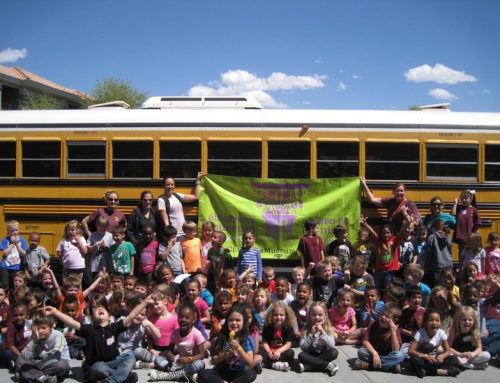
Navigating a bustling environment requires patience and a proactive approach to capturing the energy of the space. Rather than viewing a crowd as a hindrance, try to incorporate the movement into your composition to add a sense of scale and lively atmosphere. Observing the flow of traffic helps you anticipate those brief, quiet moments when a subject becomes perfectly framed. Politeness and spatial awareness are essential when working in shared spaces, allowing children to explore naturally without interference. Sometimes, shooting from a higher or lower perspective can help isolate your subject from the surrounding commotion. These candid shots often result in the most authentic representation of a busy, thriving museum. By remaining adaptable and patient, you can find unique photographic opportunities even in the most crowded settings.
Selecting Proper Camera Equipment
Deciding between a professional camera and a smartphone depends largely on your specific goals and your comfort with technical settings. A DSLR offers unmatched control over depth of field and shutter speed, which is a significant advantage when photographing fast-moving children in dim light. Conversely, smartphones offer incredible portability and are less intrusive, making it easier to capture spontaneous, candid moments. Many modern phones also include advanced software for portraits and low-light scenarios that produce impressive results with minimal effort. The best equipment is ultimately the one that you can operate quickly so you do not miss a fleeting expression. Regardless of the device, ensuring your lens is clean and your settings are optimized for the environment will lead to sharper, more vibrant results for your childrens museum photos.
Implementing Compositional Rule Techniques
Mastering composition is the key to elevating your photography from amateur to artistic. The rule of thirds is a powerful technique where you position key elements along a 3×3 grid to create a balanced and engaging frame. In a museum setting, placing a child’s inquisitive face at a grid intersection can immediately draw the viewer’s eye to their emotion. Leading lines, such as the edge of a pathway or a colorful railing, can also be used to guide the viewer toward the main exhibit. Additionally, using doorways or exhibit windows to create a “frame within a frame” adds depth and context to the shot. These intentional choices help organize the visual information in the childrens museum photos, making the final image feel more cohesive and professional. Experimenting with these rules allows you to highlight the most important parts of the museum visit.
Documenting Natural Candid Expressions
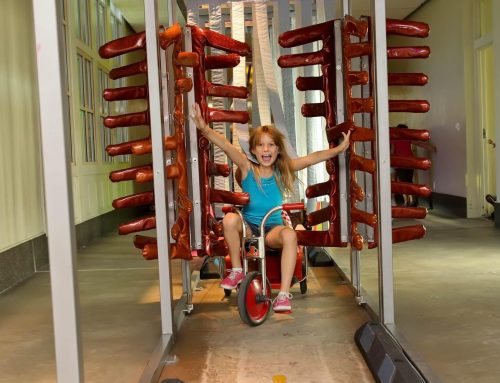
The most cherished photographs are often those that capture unposed, genuine reactions to a new discovery. To document these moments, it is best to blend into the background and wait for the subject to become fully immersed in an activity. This lack of interference allows the child’s true personality and curiosity to shine through in every frame. Using a fast shutter speed is essential in these scenarios to freeze movement and avoid the blur that comes with active play. Burst mode can also be a helpful tool, as it captures a series of images in quick succession, increasing the likelihood of catching a perfect, split-second smile. These candid images serve as a real-time record of the wonder that defines the museum experience. By focusing on authenticity, you create a visual legacy that feels much more personal than a staged portrait.
Once you have captured your images, the final step is ensuring they are safely stored and shared for future enjoyment. The vast number of photos taken during a museum visit with your family can be overwhelming, so implementing a structured backup strategy is vital. Cloud services and external hard drives provide reliable ways to protect your digital childrens museum photos and files from accidental loss. Taking the time to sort through your best shots and perhaps creating a digital storyboard or physical album can help tell the complete story of your day. This final phase of the creative process ensures that the time and effort spent on photography results in a lasting collection of memories. A well-organized gallery allows you to relive the experience and share the joy of discovery with friends and family. To find the perfect environment for your family’s next photo-filled adventure, plan a trip with your family to visit the Children’s Museum of Phoenix today!